A new noise from the transmission can make even a routine trip out of the driveway feel stressful. The car may seem completely normal in park and drive, but the moment you shift into reverse, a whining or humming sound appears. Sometimes the noise is faint and only lasts a few seconds. In other cases, it becomes louder as you press the accelerator or continues until you shift out of reverse.
At our shop, we never recommend judging a transmission problem by sound alone. Some vehicles naturally make a little more gear noise in reverse because of the way the reverse gear is designed. A sound that has always been present and has not changed may not indicate an immediate failure. A whine that is new, growing louder, or paired with delayed engagement deserves a closer inspection.
The transmission depends on fluid pressure, gears, bearings, pumps, and electronic controls working together. A problem in any of those areas can become more noticeable when the vehicle is placed in reverse.
Some Reverse Gear Noise Can Be Normal
Reverse often sounds different from the forward gears because the transmission uses a different gear arrangement to make the vehicle move backward. Depending on the transmission design, reverse gear operation may naturally create more of a straight gear whine than normal forward driving.
Drivers sometimes notice this sound most clearly in a quiet garage or parking area where noise reflects off nearby walls. A mild whirring sound that has been present since the vehicle was new may simply be a normal operating characteristic.
The key is whether the sound has changed. A reverse whine that suddenly becomes louder, rougher, or more frequent should not be dismissed as normal just because reverse gears can make some noise.
Low Transmission Fluid Can Cause Whining
Low transmission fluid is one of the first concerns we consider when a vehicle begins whining in reverse. Automatic transmissions rely on fluid to create hydraulic pressure, lubricate internal parts, control heat, and support smooth gear engagement.
When the fluid level drops, the pump may struggle to draw a steady supply. Air can enter the fluid, pressure may become inconsistent, and internal components may not receive enough lubrication. The resulting noise can sound like a whine, buzz, or high-pitched hum.
A low fluid level may come from a leaking transmission pan, cooler line, axle seal, gasket, or internal component. Adding fluid without finding the leak is only a temporary response, especially if the level continues dropping.
Old Or Contaminated Fluid May Affect Reverse Engagement
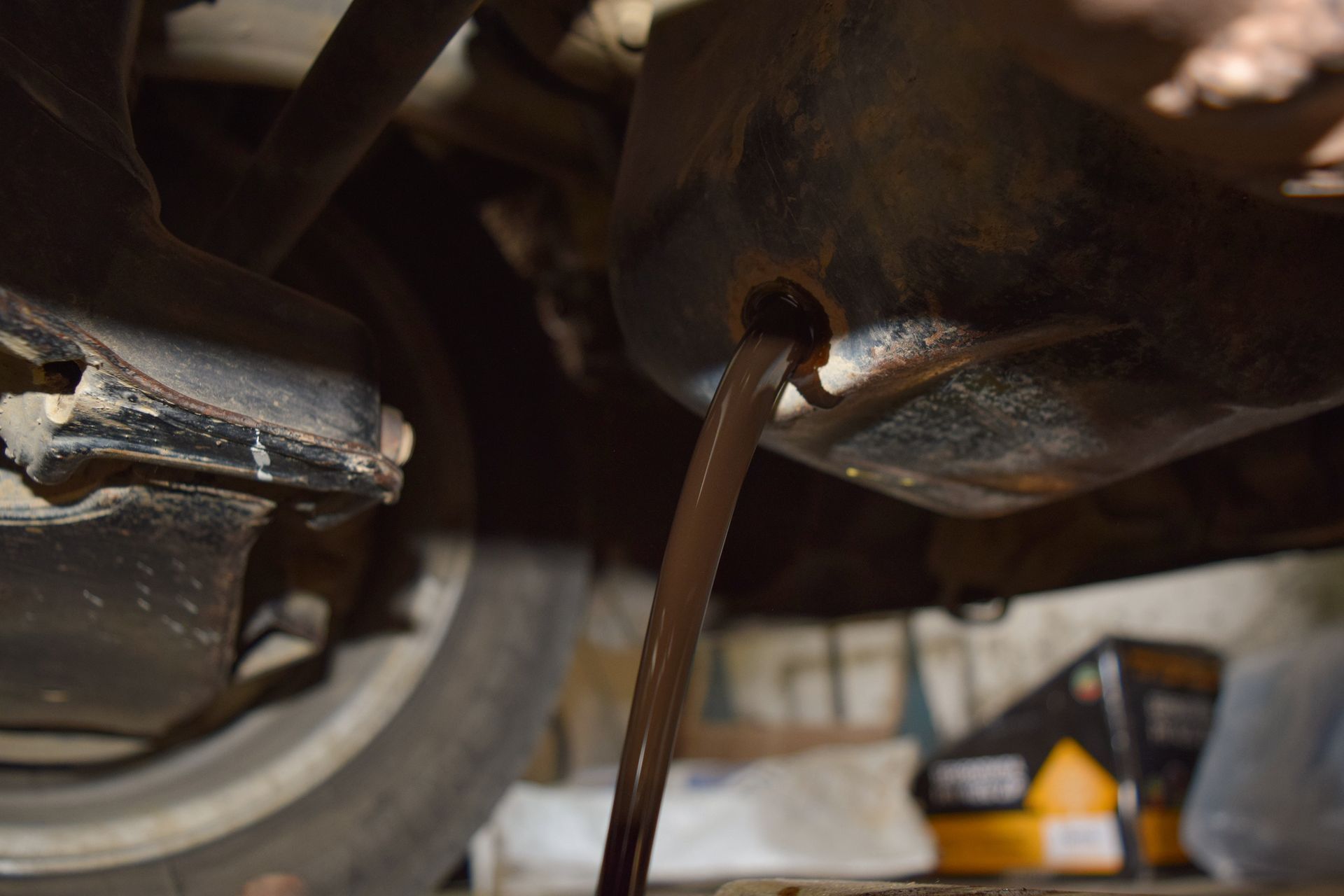
Transmission fluid does not stay clean forever. Heat, friction, and normal internal wear gradually change its condition. Fluid that has become dark, contaminated, or degraded may not flow or protect components as effectively as fresh fluid.
Reverse often requires strong hydraulic pressure to engage properly. If the fluid is in poor condition, the transmission may whine, hesitate, or engage with a noticeable bump.
The correct fluid type matters too. Modern transmissions are designed around specific fluid properties. Using the wrong product can affect pressure, shifting, lubrication, and temperature control. At our shop, we verify the manufacturer specification before recommending any transmission service.
The Transmission Pump May Be Struggling
The pump circulates fluid through an automatic transmission and creates the pressure needed to operate the internal clutches and controls. A worn or damaged pump can create a whining sound that becomes more noticeable when the transmission is placed under load.
Some pump noises are present in several gears, while others become especially obvious in reverse. The sound may rise with engine speed or become louder after the vehicle warms up.
A whining pump does not automatically mean the entire transmission must be replaced. Proper testing is needed to determine whether the problem involves the pump itself, restricted fluid flow, aerated fluid, or another internal pressure issue.
A Restricted Transmission Filter Can Reduce Fluid Flow
Many automatic transmissions use a filter or screen to help keep debris from circulating through sensitive components. If the filter becomes restricted, the pump may have difficulty pulling enough fluid through the system.
Restricted flow can lead to whining, delayed engagement, slipping, or inconsistent shifting. Reverse may reveal the issue first because of the pressure demands involved when the transmission changes direction and begins moving the vehicle backward.
Not every transmission has an easily serviceable filter, and the correct maintenance procedure varies by model. Some filters are located inside the transmission pan, while others require more extensive disassembly to access.
Worn Bearings Or Gears Can Create Mechanical Noise
A whine that occurs only in reverse may come from wear in the reverse gear assembly or related bearings. Bearings support rotating parts and help keep everything aligned. As they wear, internal movement and friction can create humming, grinding, or whining noises.
Gear damage can also create a repeating sound that changes with vehicle speed. A chipped or worn gear tooth may produce a steady whine, clicking pattern, or rough feeling while backing up.
Mechanical wear tends to become more concerning when the noise grows louder over time. Metal debris in the transmission fluid, harsh engagement, or trouble staying in reverse can support the possibility of internal damage.
A Torque Converter Problem May Be Involved
The torque converter transfers engine power into an automatic transmission. Problems inside the converter can create whining, shuddering, or unusual vibration, although the symptoms are not always limited to reverse.
A converter-related noise may also appear in drive, during acceleration, or while the vehicle is stopped in gear. The exact pattern can help a technician separate a torque converter concern from a reverse gear or fluid pressure issue.
Since several transmission problems produce similar sounds, replacing the converter based on noise alone would be an expensive guess. Testing fluid condition, pressure, scan data, and engagement behavior provides a much clearer direction.
Delayed Engagement Makes The Noise More Concerning
Pay attention to what the vehicle does after you move the shifter into reverse. A healthy transmission should engage without an excessive delay. A brief pause may be normal on some vehicles, especially in very cold weather, but a growing delay can indicate a pressure or internal wear problem.
You may notice the engine revving before the vehicle moves, followed by a sudden bump when reverse finally engages. The transmission may also feel weak, slip, or require more throttle than usual to back up.
Whining combined with delayed engagement deserves prompt attention because the transmission may not be applying the reverse clutch properly.
Cold Weather Can Make The Sound More Noticeable
Transmission fluid becomes thicker in cold temperatures. The pump must work harder until the fluid begins warming and circulating normally. Some vehicles may produce a temporary whine during the first reverse engagement of a cold morning.
A noise that fades quickly and does not return after warmup may be related to fluid temperature. A loud whine, severe delay, or repeated problem still needs diagnosis, especially if the behavior is getting worse each winter.
The vehicle should never need excessive throttle to force reverse engagement. Heavy acceleration during a delayed shift can cause the gear to engage harshly and increase stress on internal components.
Electronic Or Valve Body Problems Can Affect Pressure
Modern transmissions use solenoids, sensors, and a valve body to direct fluid and control gear engagement. A sticking valve or malfunctioning solenoid can prevent the correct pressure from reaching the reverse clutch.
The result may be delayed engagement, a whining sound, harsh shifting, or a warning light. Some electronic problems also place the transmission into a limited operating mode that changes how it shifts.
A diagnostic scan can reveal transmission-related fault codes even when the check engine light is not on. Live data may also show whether commanded pressure and actual transmission behavior match.
When Should You Stop Driving
A faint sound without any other symptoms may allow you to drive carefully to a repair shop. Continuing to use the vehicle becomes riskier when the whine is paired with slipping, grinding, leaking fluid, a burning smell, or difficulty moving in reverse.
Arrange service promptly if you notice:
- A long delay before reverse engages
- A hard clunk when the vehicle begins moving
- Transmission fluid under the car
- A burning odor
- Grinding or metal-on-metal noise
- Reverse slipping under light acceleration
- Warning lights or transmission messages
Driving with low fluid or an active internal failure can turn a manageable repair into a much larger transmission problem.
At our shop, we start by listening to the noise and confirming when it occurs. We may inspect the fluid level and condition, look for leaks, scan the transmission module, test engagement, and check hydraulic pressure when needed. The goal is to identify the source before the problem progresses or unnecessary parts are replaced.
If your transmission has started whining when you shift into reverse, bring your vehicle to European Plus in Pennington, NJ. We can inspect the fluid, test transmission operation, check for leaks and fault codes, and explain what the noise means for your vehicle.
Call us today or stop by to schedule a transmission service.