Expensive engine repairs rarely feel fair. One week, the car seems normal, and the next week, there is a warning light, overheating concern, rough idle, oil leak, or repair estimate nobody wanted to see. From the driver’s seat, it can feel sudden.
Under the hood, most engine problems build quietly. Fluids age, filters clog, gaskets seep, spark plugs wear, and heat slowly stresses parts that once worked fine. Good habits do not make a car immune to repair, but they give small problems less time to become expensive ones.
The Expensive Repairs Usually Start Small
Many major engine repairs begin with something simple. A small coolant leak becomes low coolant. Low coolant becomes overheating. Overheating can damage gaskets, seals, sensors, and cylinder head surfaces. What began as a concern about a hose, cap, or water pump can turn into a much larger repair.
Oil leaks work the same way. A little seepage from a gasket may not look urgent, but if the oil level drops, the engine loses protection. Small symptoms are not always emergencies, but they are clues. Paying attention early gives a technician a chance to separate a minor repair from a problem that is starting to spread.
Clean Oil Protects Hard-Working Parts
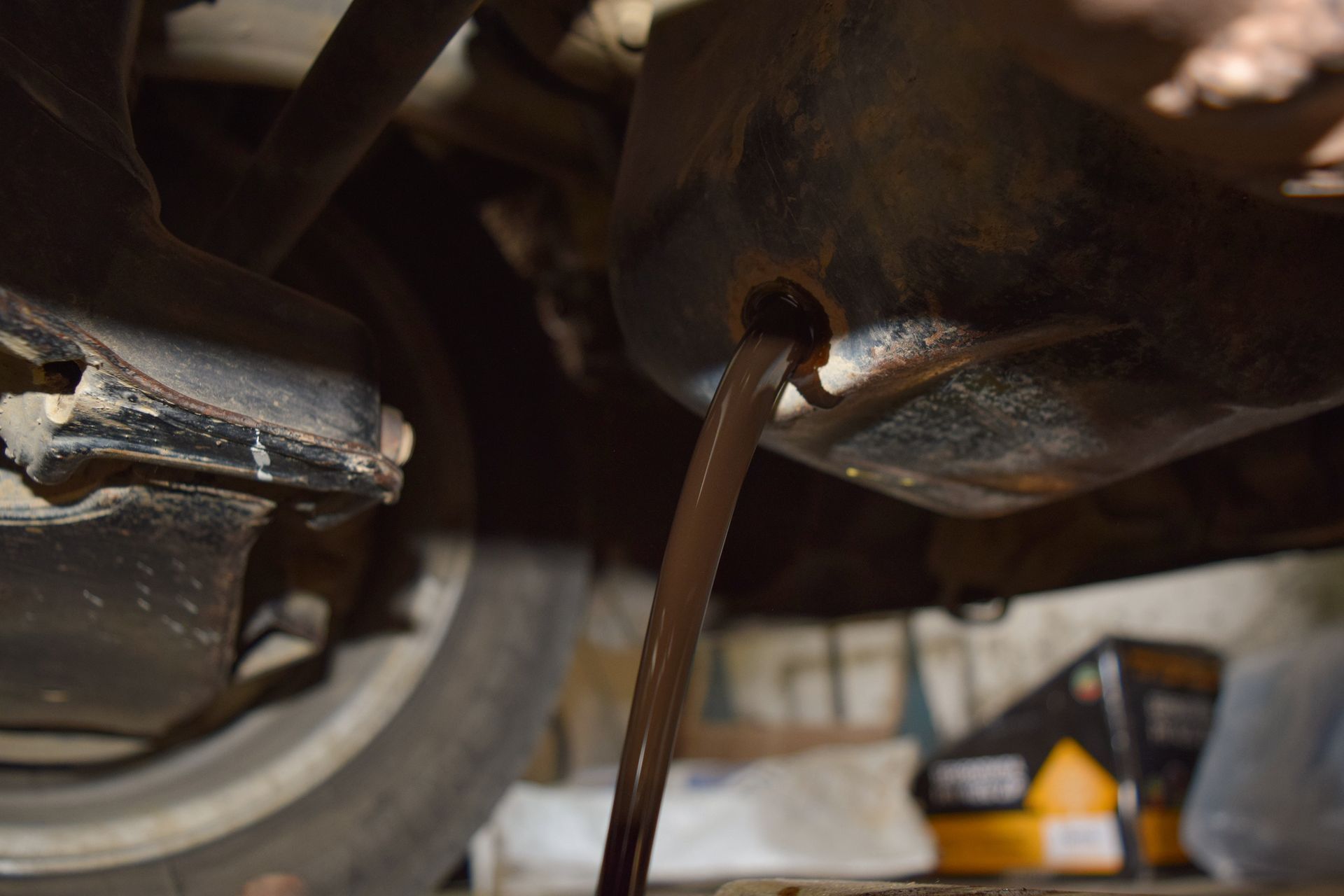
Engine oil is one of the cheapest forms of engine protection. It reduces friction, helps move heat away from internal parts, and keeps contaminants from building up too quickly. When oil gets old, dirty, or low, it cannot protect the engine as well.
Modern engines can be sensitive to oil condition. Variable valve timing components, timing chains, camshafts, bearings, and turbochargers on equipped vehicles all depend on a steady oil supply. Waiting too long between oil changes can lead to sludge, noise, low oil pressure, or wear that is much harder to correct later.
Cooling System Care Prevents Heat Damage
Heat is one of the fastest ways to turn a manageable repair into a costly one. The cooling system uses coolant, hoses, the radiator, thermostat, water pump, fans, and pressure cap to keep engine temperature under control.
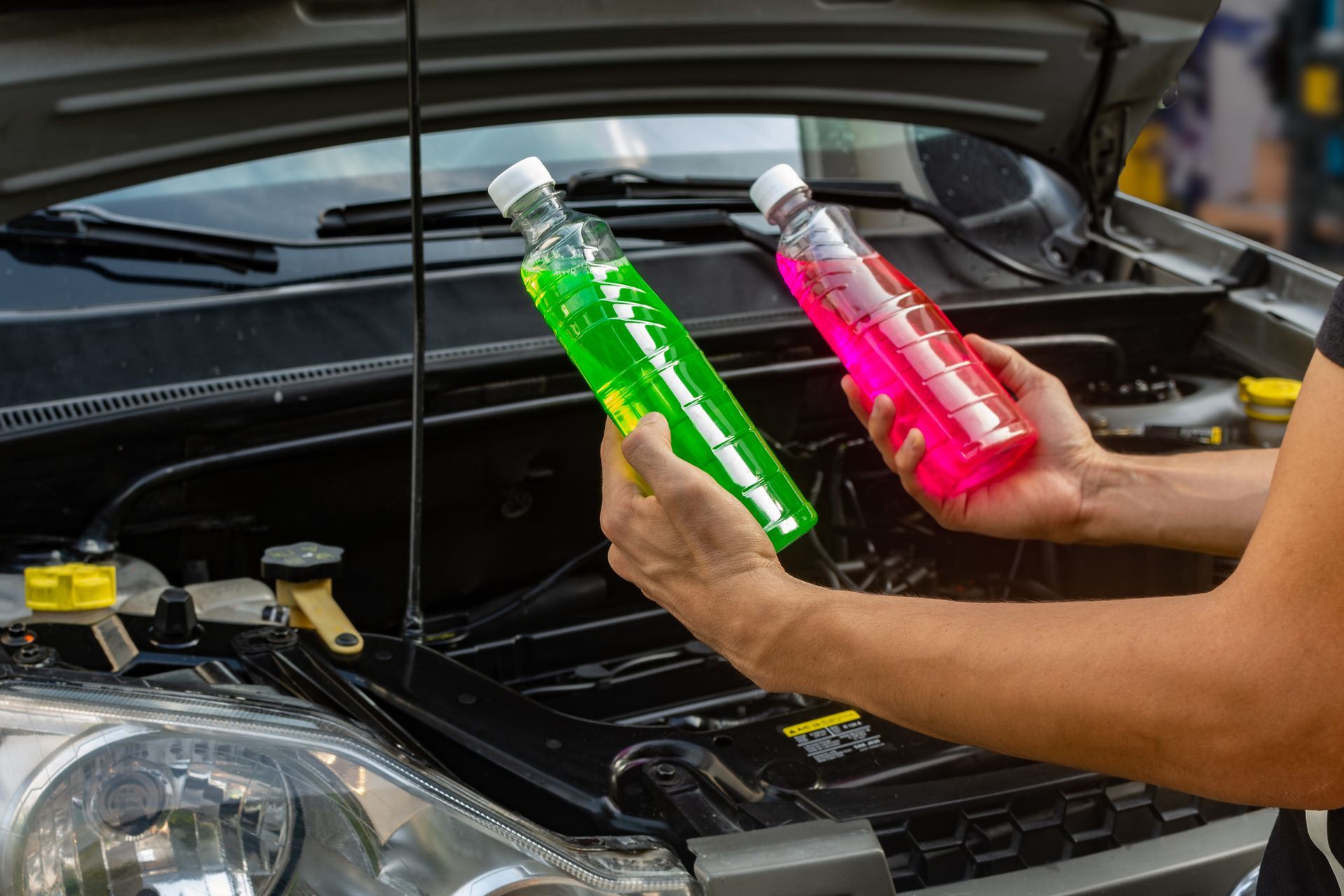
If one part weakens, the whole system can struggle. A thermostat that sticks, a weak fan, a brittle hose, or a small radiator leak can push the engine toward overheating. Coolant service and leak checks help prevent heat from damaging head gaskets, seals, plastic fittings, and internal engine parts.
Filters, Spark Plugs, And Fluids Keep Engines Efficient
Small maintenance parts have a bigger job than they get credit for. A dirty air filter can reduce airflow. Worn spark plugs can cause misfires. Old coolant can lose corrosion protection. Weak fuel delivery or a clogged filter on vehicles that use one can affect starting and acceleration.
The engine may keep running while these parts wear, but it may work harder than it should. Poor fuel economy, hesitation, rough starts, and check engine lights can follow. Regular maintenance helps keep these smaller parts from creating extra stress on more expensive engine systems.
Warning Lights And Small Symptoms Need Attention
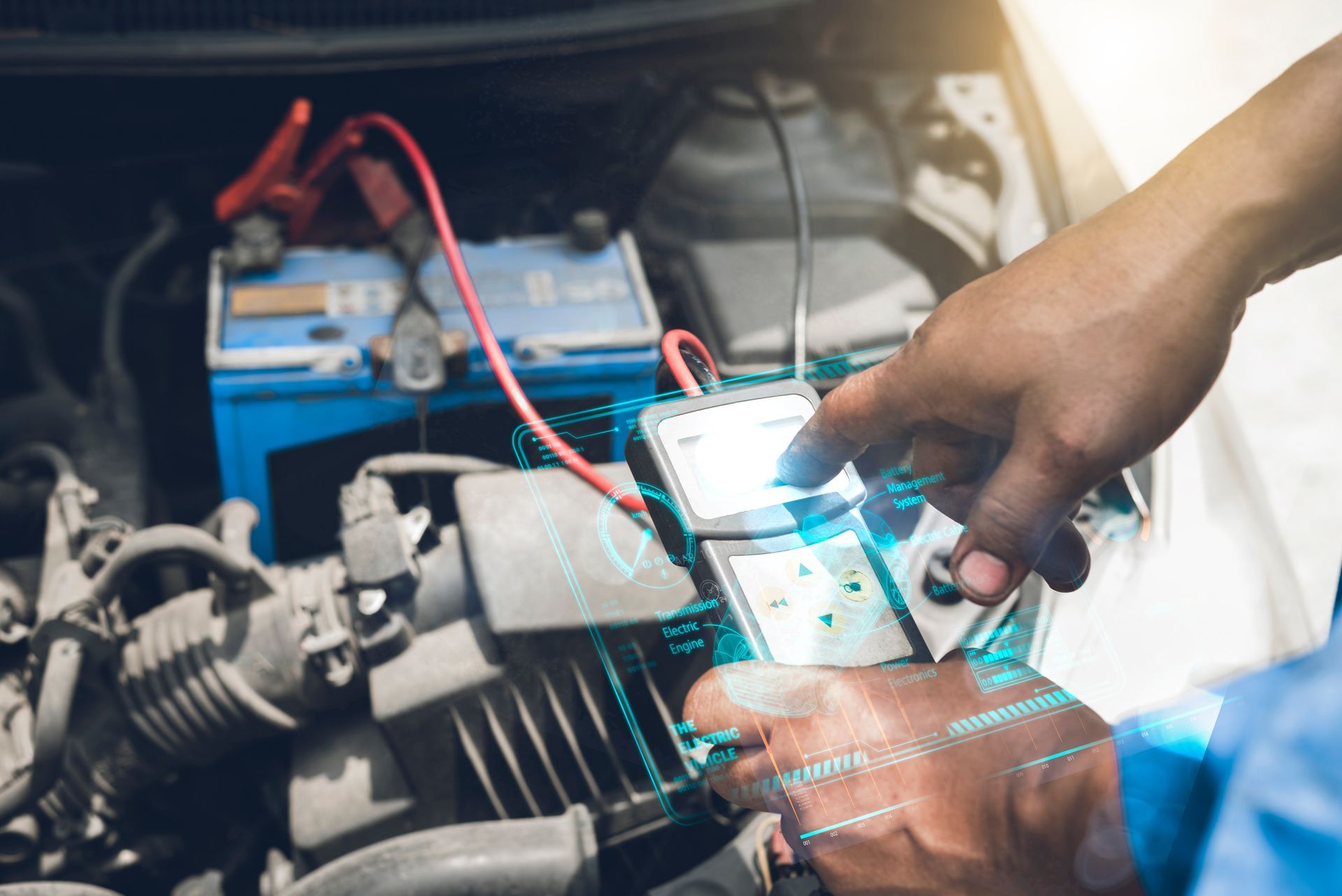
A check engine light does not always indicate an engine failure. It does mean the vehicle noticed something outside its expected range. That stored information can help find a problem before it becomes obvious during everyday driving.
Small symptoms deserve the same respect. A brief rough idle, coolant smell, oil spot, ticking noise, slower start, or slight hesitation can all point toward early engine trouble. Waiting until the car drives poorly usually gives the problem more time to affect surrounding parts.
Simple Habits That Help Engines Last
Engine care does not have to be complicated. A few simple habits can make a real difference over the life of the vehicle:
- Check the oil level between services if your vehicle has a dipstick
- Watch for spots, smells, smoke, or new noises
- Do not ignore temperature gauge changes
- Replace filters and spark plugs on schedule
- Use the correct oil and fluids
- Take warning lights seriously
- Have leaks checked before fluid levels drop
- Keep service records organized
These habits help you notice changes early. They also give the shop better information when something feels off.
Why Engine Maintenance Saves Money Over Time
Preventive engine care is not about replacing parts too soon. It is about avoiding the repair chain that starts when one neglected item damages another. Old oil can affect timing parts. Low coolant can create overheating. Misfires can damage catalytic converters. A small leak can ruin belts or hoses if it spreads.
A careful inspection during service can also reveal problems drivers cannot see from the seat. Fresh seepage, cracked hoses, worn belts, dirty filters, and stored codes are easier to handle when the car is already in for routine care. Planning those repairs beats dealing with them after the vehicle loses power, overheats, or will not start.
Get Engine Maintenance In Pennington, NJ, With European Plus
If you want to avoid expensive engine repairs, European Plus in Pennington, NJ, can help with oil service, fluid checks, filter replacements, spark plug replacements, leak testing, warning light diagnostics, and practical engine care.
For engine maintenance that helps catch small problems before they become costly,
contact us to schedule an appointment.