Buying a used car can feel straightforward until you realize how much of the story is hidden. A clean interior and a quiet idle are nice, but they do not tell you whether the car has been maintained consistently, repaired correctly, or simply cleaned up for a quick sale. The goal of a pre-purchase check is to reduce surprises, not to chase perfection in a vehicle that already has miles on it.
What you want is clarity before you commit.
What A Pre-Purchase Check Focuses On
This is the kind of inspection that maps risk instead of hunting for one dramatic failure. We look for evidence of neglect, shortcuts, and repeat problems that tend to come back. It helps confirm whether the asking price matches the condition, especially when wear items are close to the end of their life.
Most evaluations follow a similar logic: verify safety first, then confirm mechanical health, then look for expensive patterns. That means reviewing fluids, leaks, tires, brakes, steering, suspension, and warning lights, along with a scan for fault codes. A good report answers the practical question: what will this car likely need soon?
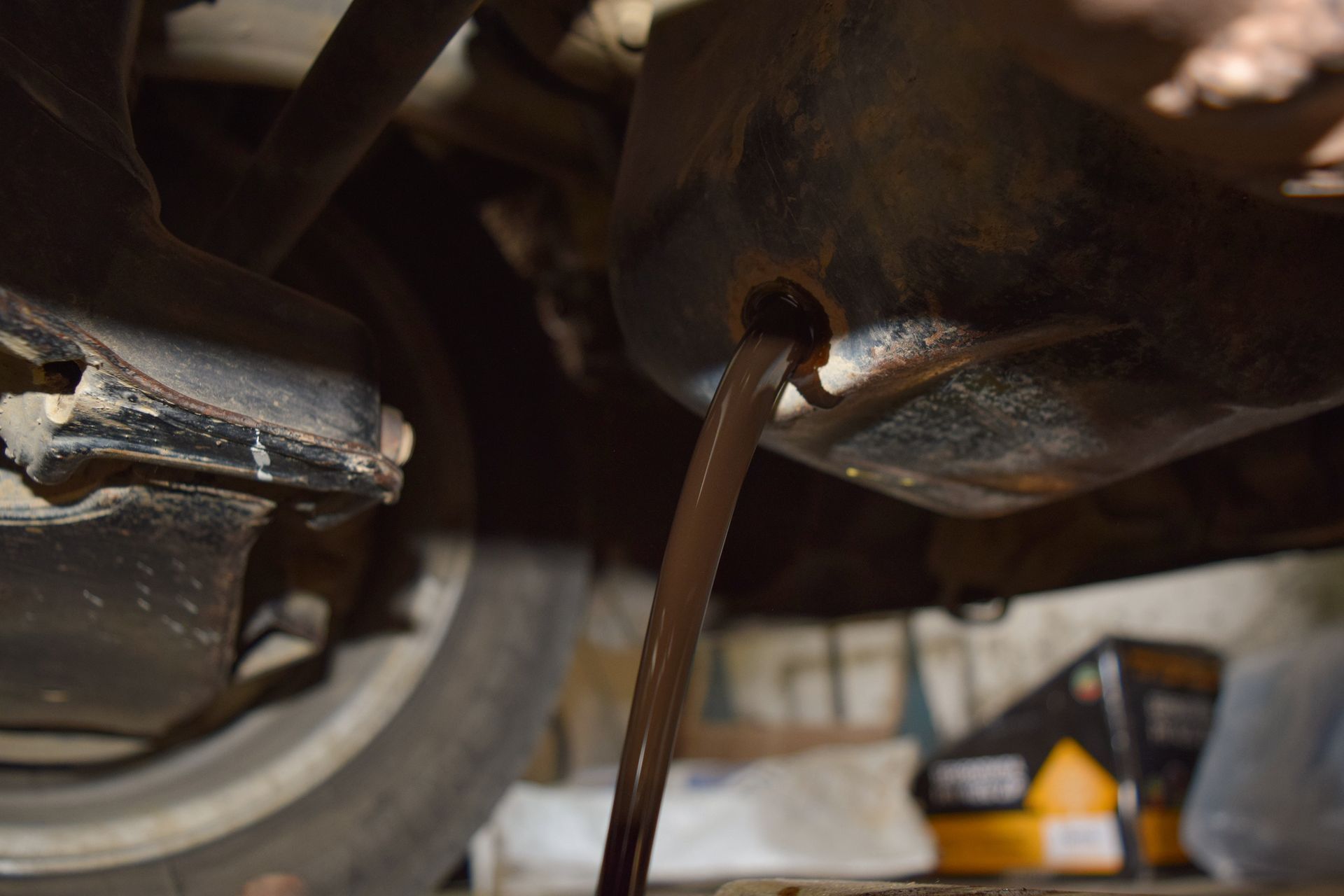
- Engine oil level and condition, plus signs of active seepage
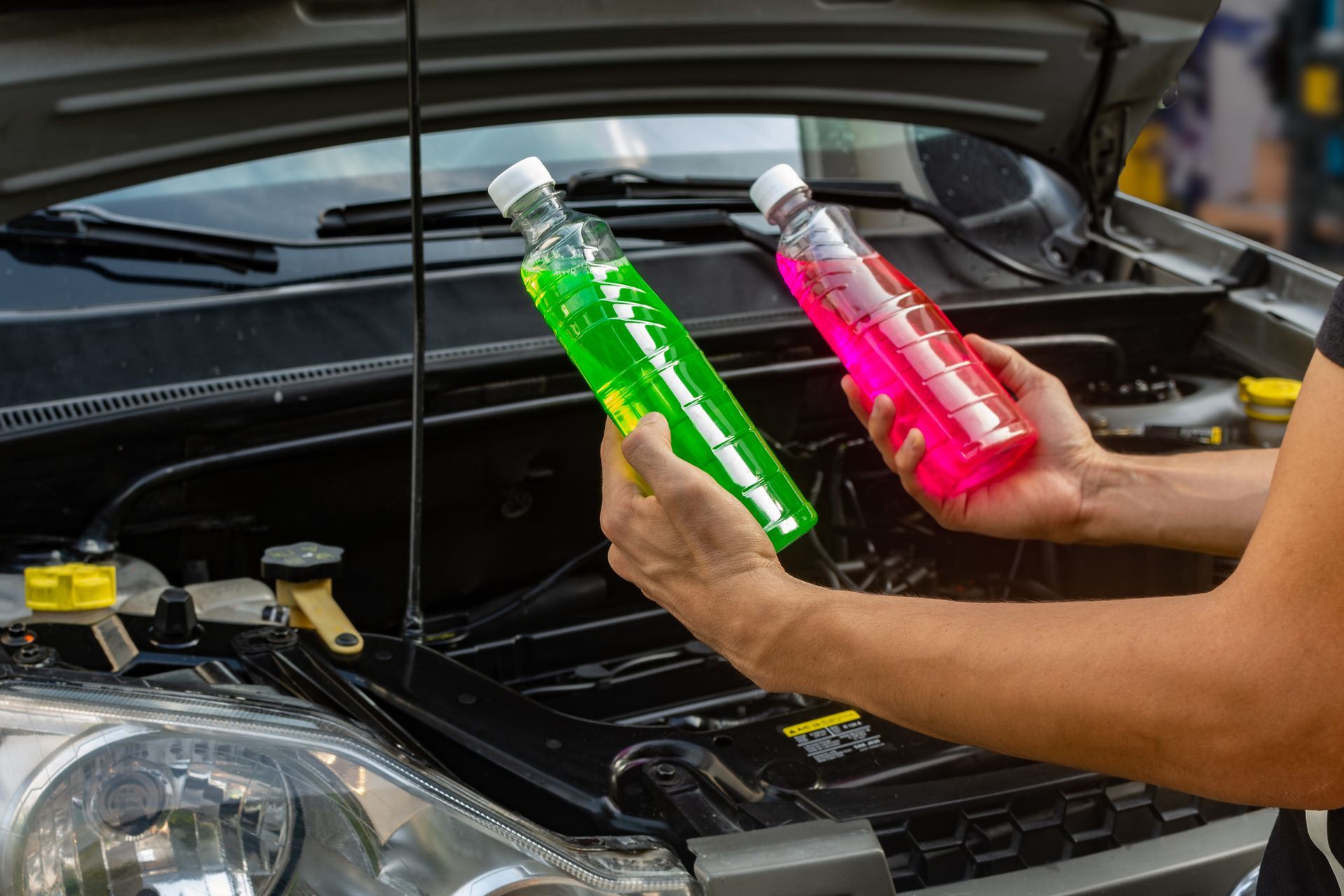
- Coolant and other fluids for level, color, and contamination clues
- Brake pad thickness, rotor condition, and any uneven wear patterns
- Tires for tread depth, age, and sidewall damage from pothole impacts
- Steering and suspension joints for looseness, torn boots, or leaks
Service History And Ownership Clues
Paperwork will not tell you everything, but it can reveal habits. Consistent records often show timely oil services, fluid changes, and addressed issues rather than ignored ones. Gaps are not an automatic deal-breaker, yet they raise the odds that some maintenance was skipped.
Look for notes that mention repeat repairs, like the same warning light returning, or the same component replaced more than once. Also pay attention to whether the services match the mileage and time on the car, since some items are time-sensitive even when miles are low. One mention of regular maintenance at sensible intervals usually reads very differently from a pile of random receipts.
Engine, Fluids, And Leak Checks
Under the hood, we look for fresh wetness, not just old grime. Oil can travel along surfaces and drip from a different edge than where it started, so the source matters more than the puddle. We check common leak areas like valve cover seams, filter housings, oil pan edges, and front and rear seal regions.
Fluids also tell a story about overheating, contamination, and neglect. Coolant that is low or discolored can hint at leaks, poor service intervals, or internal issues that deserve a closer look. If any fluid smells burnt or looks unusually dirty for the mileage, it may point to heat stress or delayed service.
Suspension, Tires, And Brakes Under Load
A vehicle can feel decent on a smooth road and still have worn joints that show up on bumps and quick direction changes. We check for play in tie rods and ball joints, signs of leaking struts or shocks, and bushing wear that can make the car feel loose at speed. Uneven tire wear is a big clue here because it often points to alignment problems or worn suspension parts.
Brakes get checked for remaining pad thickness, rotor surface condition, and caliper operation. Noises are helpful, but they are not required for a brake issue to exist. If the pads are near their limit or the rotors are heavily grooved, that cost should be part of the buying decision, not a surprise after you sign.
Test Drive Details That Reveal More
The test drive is where small issues show themselves in real time. We pay attention to how the transmission shifts, how the engine responds under light and moderate throttle, and whether the steering tracks straight without constant correction. A steady vibration at a certain speed can suggest a tire issue, a bent wheel, or driveline wear.
We also listen for clunks over bumps, growling noises that change with speed, and brake feel during gentle and firm stops. If warning lights are on, a scan helps confirm whether the issue is current or a stored problem that keeps returning. The point is not to make the car look bad, but to understand what you are buying.
Get Pre-Purchase Check In Pennington, NJ With European Plus
If you want a clear picture before you buy, European Plus can evaluate the vehicle’s condition and flag likely costs in the near future. We will explain what matters now and what can wait.
Schedule your visit and bring the listing details so we can focus the evaluation where it matters most.