You locked the car, took the key inside, and left nothing obvious switched on. Two days later, it needs a jump. The battery may be discharged, but that doesn't explain what energy was used while the vehicle was parked.
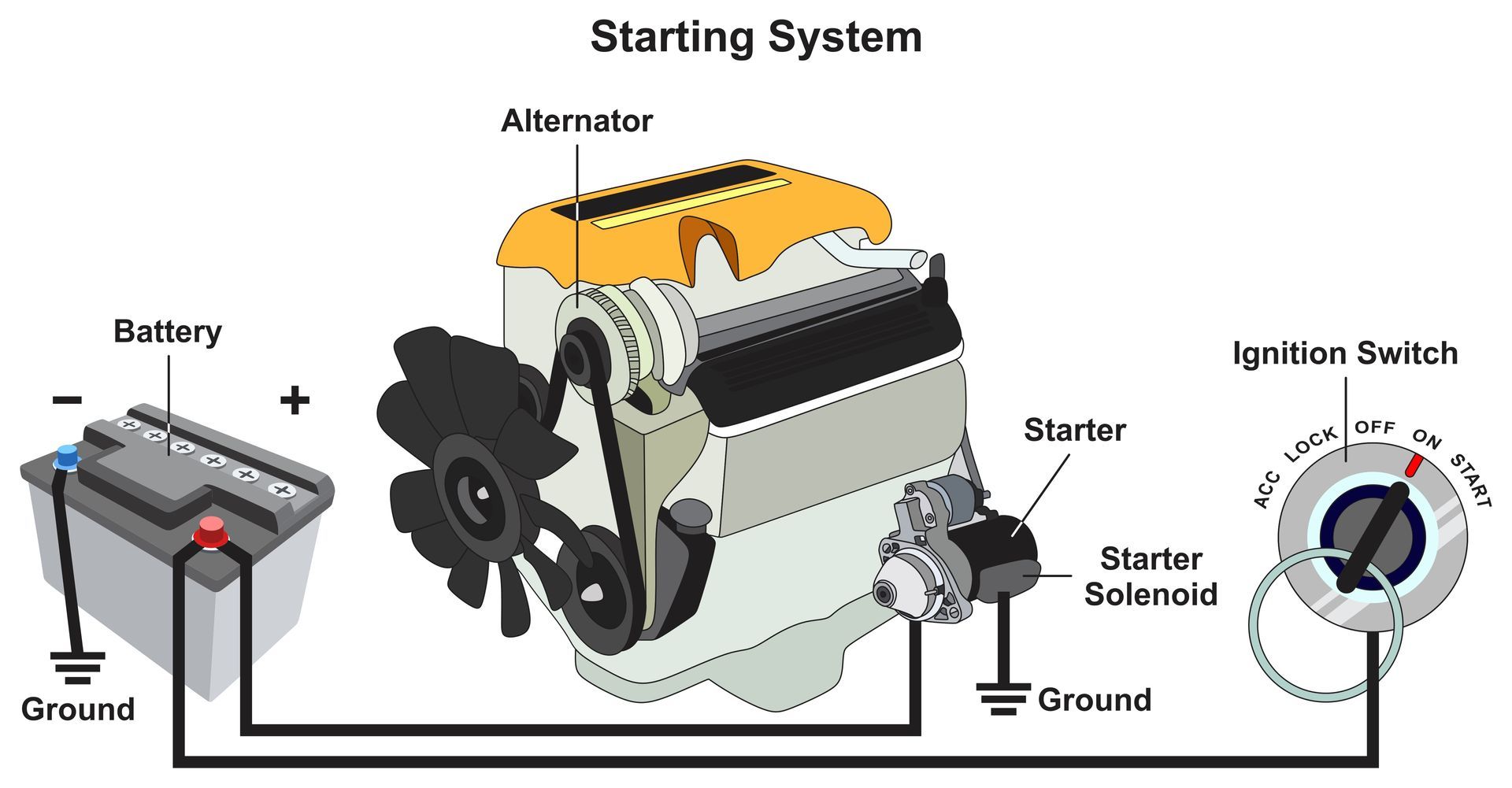
Before chasing a drain, check the battery and charging system as a baseline. A weak or undercharged battery can fail with normal standby demand. Once you rule those out, these six areas can explain where excessive key-off current comes from, including faults hidden behind a closed lid or inside an electronic module.
1. A Lamp Stays On Behind a Closed Lid
A glove box, trunk, or vanity lamp can keep drawing current when its switch or latch doesn't recognize closure. The light is out of sight, which makes it easy to miss during a walkaround. A lid that needs slamming or a cargo-area warning that occasionally flickers provides useful context.
Check the switch signal and lamp circuit without repeatedly waking the entire vehicle. At our shop, we verify that a lamp actually shuts off rather than assume the lid's position proves it. Don't remove safety-related fuses as a permanent solution. The repair needs to restore normal operation, including any shared latch or alarm functions on that circuit.
2. An Added Accessory Remains Powered
A parking camera, audio amplifier, tracker, or device in a diagnostic socket can draw power after shutdown. Some are designed to stay active, but their settings or wiring may draw more battery reserve than the vehicle's parking routine allows.
Note everything added since the problem began, including equipment a previous owner installed. A hardwired accessory can remain connected after its visible screen goes dark. The supply should follow the intended installation and protection requirements. Removing one accessory at a time helps establish cause without erasing clues through multiple simultaneous changes.
3. A Factory Module Fails to Go to Sleep
Vehicle electronics take time to finish shutdown tasks. An infotainment, door, or other control module that remains awake can continue drawing more current than intended. The drain can be intermittent, with the car surviving a weekend once and failing overnight on another occasion.
The diagnostic procedure must allow the required sleep time and account for scheduled wake-ups. Opening a door or querying the vehicle can restart the shutdown process. Current logging and circuit information help distinguish normal activity from a module that never rests. Software can be relevant on specific vehicles, but an update isn't a substitute for verifying the cause.
4. A Relay Keeps a Load Connected
A relay uses a control signal to switch power to another circuit. Contacts that stick can leave a load supplied after it should shut off. A pump, fan, or other device might keep running, although some loads are quiet enough that you won't hear anything from the parked car.
Testing must determine whether the relay contacts are sticking or whether the control circuit is still commanding operation. Those require different repairs. We check the diagram and the actual voltage states rather than replace a relay because it feels warm. Some relays and modules remain energized briefly by design, so timing is essential to interpreting the result.
5. An Alternator Fault Allows Key-Off Leakage
The alternator generates power while the engine runs, but an internal electrical fault can sometimes allow unwanted current flow with the engine off. This can cause battery drain and charging issues. A vehicle can show some charging output and still need further alternator testing.
Current measurements and appropriate isolation procedures are needed to establish that path. Charging ripple and output checks can provide additional information, but not every alternator fault produces the same result. Never disconnect a battery terminal while the engine runs to test it. Handle high-current wiring with proper precautions, especially around an unfused main cable.
6. Moisture or Damaged Wiring Creates Unwanted Activity
Water entering a connector, fuse area, or module can create leakage paths or false signals that keep electronics active. The drain might follow rain or a wash rather than happen every night. Damaged wiring can create related problems, particularly where a harness rubs against metal or has been poorly repaired.
A battery-drain inspection should include that history and any evidence of damp carpets or water staining. Correct the water entry as well as damaged electrical parts, or the problem can return. Battery testing during regular maintenance helps track condition, but repeated jump-starts aren't a repair. Confirm the vehicle returns to its intended standby behavior after you correct the fault, and assess whether repeated discharge has damaged the battery itself.
Get Parasitic Draw Testing In Pennington, NJ, With European Plus
European Plus in Pennington, NJ, can measure parked electrical demand and trace the circuit responsible for repeated discharge. Bring details of accessories, weather, and how long the car sat.
Contact us to arrange parasitic draw testing and find what remains powered after shutdown.