A newer 4-cylinder German car can pull harder than an older model with a larger engine. The difference isn't that the smaller engine somehow ignores its size. It gets more air into the cylinders, controls combustion more closely, and adjusts its operation over a wider range.
Turbocharging gets much of the credit, but several changes work together to increase power. Those changes also explain why proper fuel, oil, and cooling service are closely tied to the performance owners expect.
Turbocharging Raises the Amount of Air Available
A naturally aspirated engine relies on the pressure difference created as its pistons draw air in. A turbocharger uses exhaust energy to drive a compressor that pushes more air toward the intake. More air allows the engine to burn more fuel under controlled conditions and produce more power for its displacement.
Modern German gasoline engines use a range of turbo arrangements. VW and Audi TSI or TFSI applications, BMW turbocharged engines, and Mercedes-Benz designs differ in their hardware and control. The badge alone doesn't describe the number of turbos or how boost is managed. The engine generation has to be identified before service or performance problems are discussed.
Charge-Air Cooling Helps the Engine Use That Boost
Compressing air raises its temperature. An intercooler or charge-air cooler removes some of that heat before the air reaches the cylinders, improving the conditions for combustion. Different engines use air-to-air or liquid-cooled arrangements with their own hoses, pumps, and connections.
A split charge-air hose or a cooler leak reduces the air that reaches the engine under pressure. The driver may notice weak acceleration, hissing, or reduced-power operation. Replacing the turbo won't fix an air leak after it. The air path needs checking against the boost the controls are requesting.
Fuel Injection and Ignition Control Are More Precise
Direct injection places fuel inside the cylinder, allowing the timing and quantity to be controlled closely. Some engines combine direct and port injection. The choice affects combustion, emissions, and certain maintenance concerns, including where intake-valve deposits develop.
Electronic ignition also adjusts spark timing to operating conditions and knock information. That lets an engine use its available airflow while protecting against harmful combustion. The required fuel grade supports that calibration. Follow the manual's distinction between required and recommended octane instead of assuming every German engine needs the same fuel.
Variable Valve Timing Broadens the Power Range
Fixed cam timing is a compromise across engine speeds. Variable timing changes when valves open and close to improve operation under different conditions. Some engines also vary valve lift. BMW's VANOS and Valvetronic are examples of different functions: camshaft timing and valve lift should not be treated as two names for the same adjustment.
These features help an engine produce usable response over a broader range. They also rely on the parts and fluids that operate them. An oil-controlled timing mechanism with restricted flow or a failed control valve won't behave as intended. The performance complaint needs the actual timing readings checked, not simply a guess that the turbo is weak.
Modern Engine Design Handles Heat and Load Differently
Stronger materials, improved cooling passages, lower-friction surfaces, and better manufacturing control support higher output. Engine management also coordinates boost, fueling, ignition, valve operation, and temperature. The result is more than a larger power number at one engine speed.
Torque delivery is often the change a driver feels first. An engine that develops strong torque at lower RPM needs fewer revs for ordinary acceleration. Gear ratios and transmission programming contribute to that impression too, so two cars with similar peak horsepower may feel quite different leaving a stop or passing on a highway.
Higher Output Changes the Maintenance Conversation
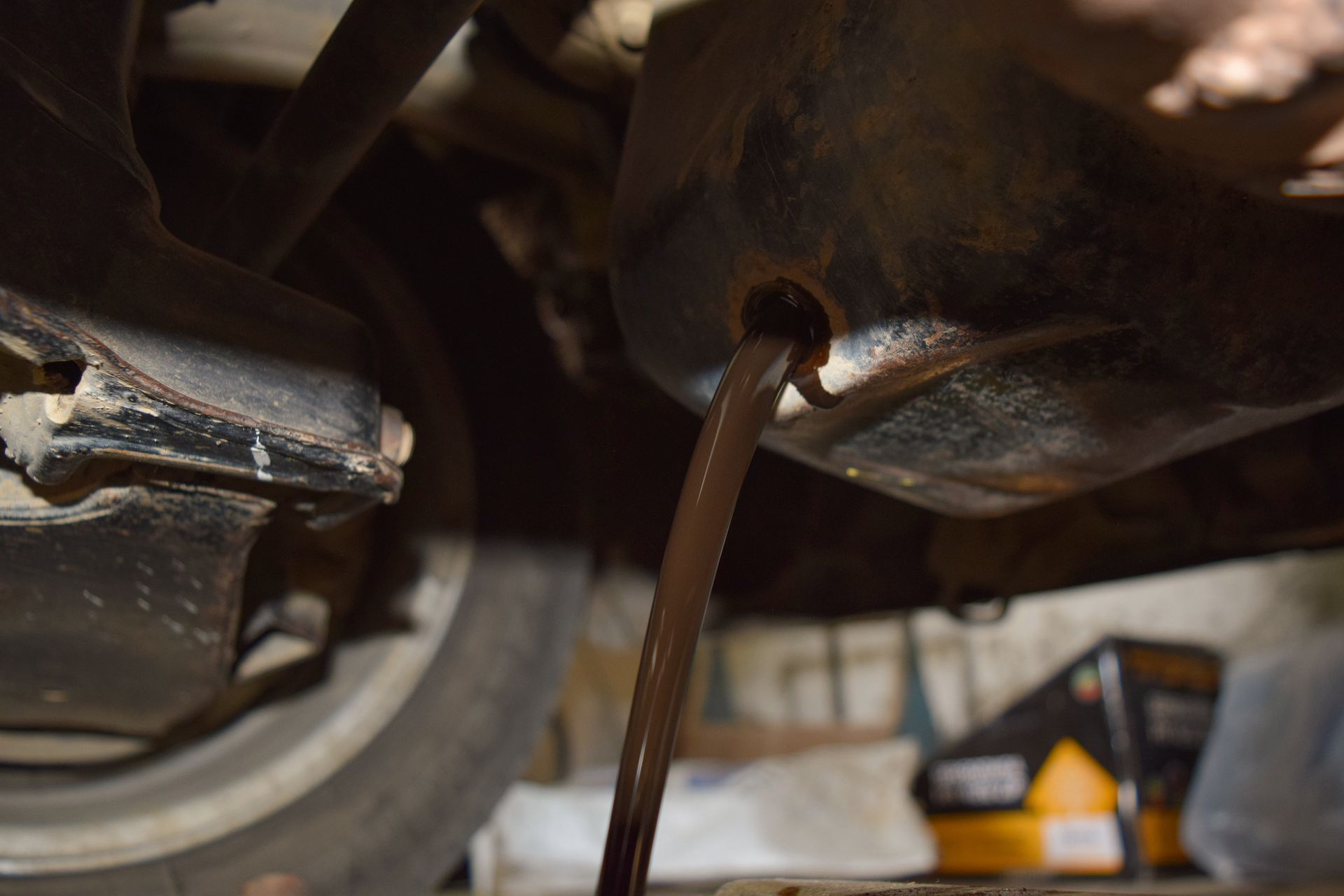
The oil must meet the engine's full specification, including any manufacturer approval. Turbocharger bearings and timing mechanisms depend on that lubricant under demanding conditions. Coolant leaks, charge-air leaks, worn plugs, and fuel-delivery faults each reduce performance in specific ways.
An aftermarket tune adds another layer. Higher commanded boost or altered combustion settings can change fuel, heat, and maintenance demands. Tell the shop about software or hardware changes before testing begins. A technician comparing a modified engine with stock expectations needs that information to interpret the readings correctly.
Get German Car Engine Service in Pennington, NJ, With European Plus
European Plus in Pennington, NJ, can review maintenance needs, boost complaints, misfires, and reduced performance on your German vehicle. Bring the engine's service history and details of any modifications.
Call us to schedule German car engine testing or maintenance.