A car that won't start when you most need it quickly becomes the biggest issue you have with your vehicle. You turn the key or push the button, expect the engine to fire, and get silence, clicking, slow cranking, or a car that tries but never fully comes to life. At that point, most drivers want a quick answer.
These are the five most common reasons for this frustrating outcome.
1. Weak Battery Or Dead Battery
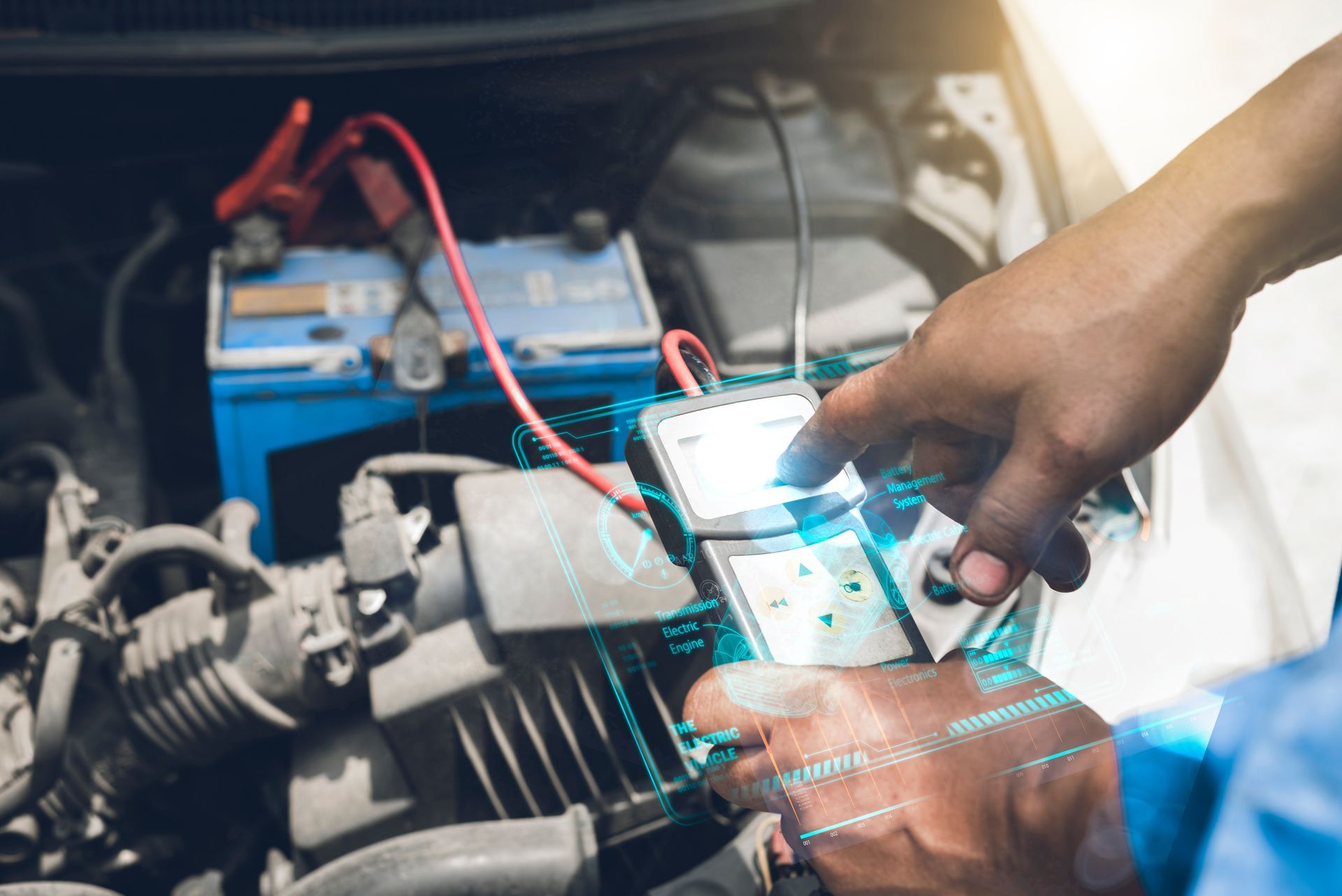
The battery is still the most common reason a car will not start. If the engine cranks slowly, the dash lights look dim, or you hear rapid clicking instead of a strong turnover, a low battery is high on the list. Heat, cold, short trips, age, and long periods of sitting can all wear a battery down faster than drivers expect.
A battery issue can feel sudden, but there is usually a lead-up. Slow cranking in the morning, dim lights during startup, or needing a recent jump start are all clues that the battery has been losing strength for a while.
2. Bad Starter
A bad starter creates a different kind of trouble. In many cases, the battery has enough power, the dash lights come on normally, but the engine still does not crank the way it should. You may hear one click, no click at all, or a starter that sounds weak and inconsistent.
That is where drivers get mixed up, because battery and starter problems can feel similar at first. A proper inspection helps separate low voltage from a starter that is no longer able to turn the engine over reliably.
3. Alternator Trouble That Drained The Battery
Many starting issues start with the battery, but the real cause is the alternator. The battery starts the car, and the alternator is supposed to recharge it while you drive. If that charging system falls behind, the battery slowly gets drained until one day the car will not start.
The frustrating issue is that when drivers replace the battery, the car may start again, but the same problem often returns because of an ongoing charging issue that drains the new battery. If the car has required multiple jump-starts or the battery warning light has previously illuminated, it's important to check the alternator.
4. Fuel Delivery Problems
A car needs fuel, spark, and compression to start. If the engine cranks normally but never catches, the fuel system moves much higher on the list. A weak fuel pump, low fuel pressure, injector issues, or an empty tank that the gauge did not report correctly can all leave the engine turning over without starting.
Fuel-related issues feel different from battery problems because the engine usually sounds willing to crank. It just never fires. In some cases, the car may have stumbled, hesitated, or taken longer to start in the days before it quit completely.
5. Ignition Or Sensor Failure
Modern vehicles depend on sensors and ignition components to start cleanly. A failed crankshaft sensor, worn ignition parts, damaged wiring, or another engine-management fault can stop the car from starting even when the battery and starter seem fine. The same goes for problems with spark plugs or ignition coils on some vehicles.
These faults can be harder for drivers to guess correctly because the car may crank strongly and still refuse to run. That is where computer diagnostics become especially useful. The car may already know what it lost, even if the driver only sees the biggest inconvenience of a car that won't start.
What The Car Is Telling You Before It Quits
Many problems leave a trail. The engine may crank more slowly for a week. The dash may flicker. The car may need two tries to start in the morning. It may stall once, hesitate, or show a warning light that came and went. Those details help narrow the cause much faster than a simple statement that the car just died.
A few common clues include slower cranking, clicking sounds, repeated jump starts, warning lights, or an engine that turns over but will not catch. Those signs are worth mentioning during an inspection because they point the repair in the right direction.
Why Repeated No-Start Problems Get Expensive
Drivers lose the most money when they guess wrong and keep replacing the part that seems most obvious. A battery gets replaced when the alternator is failing. A starter gets blamed when the voltage is low. Fuel gets suspected when the real issue is sensor-related. Once that cycle starts, time and money quickly go in the wrong direction.
Regular maintenance helps reduce that guesswork because weak batteries, charging problems, and ignition faults are easier to catch before the car reaches the point of not starting at all.
Get an Engine Diagnostic In Pennington, NJ, With European Plus
If your car will not start, European Plus in Pennington, NJ, can perform an inspection, test the battery and charging system, and pinpoint whether the problem is in the starter, fuel system, ignition, or somewhere else in the starting process.
Bring it in before your car not starting turns into repeated guessing and a longer repair bill.