How long does a transmission last?
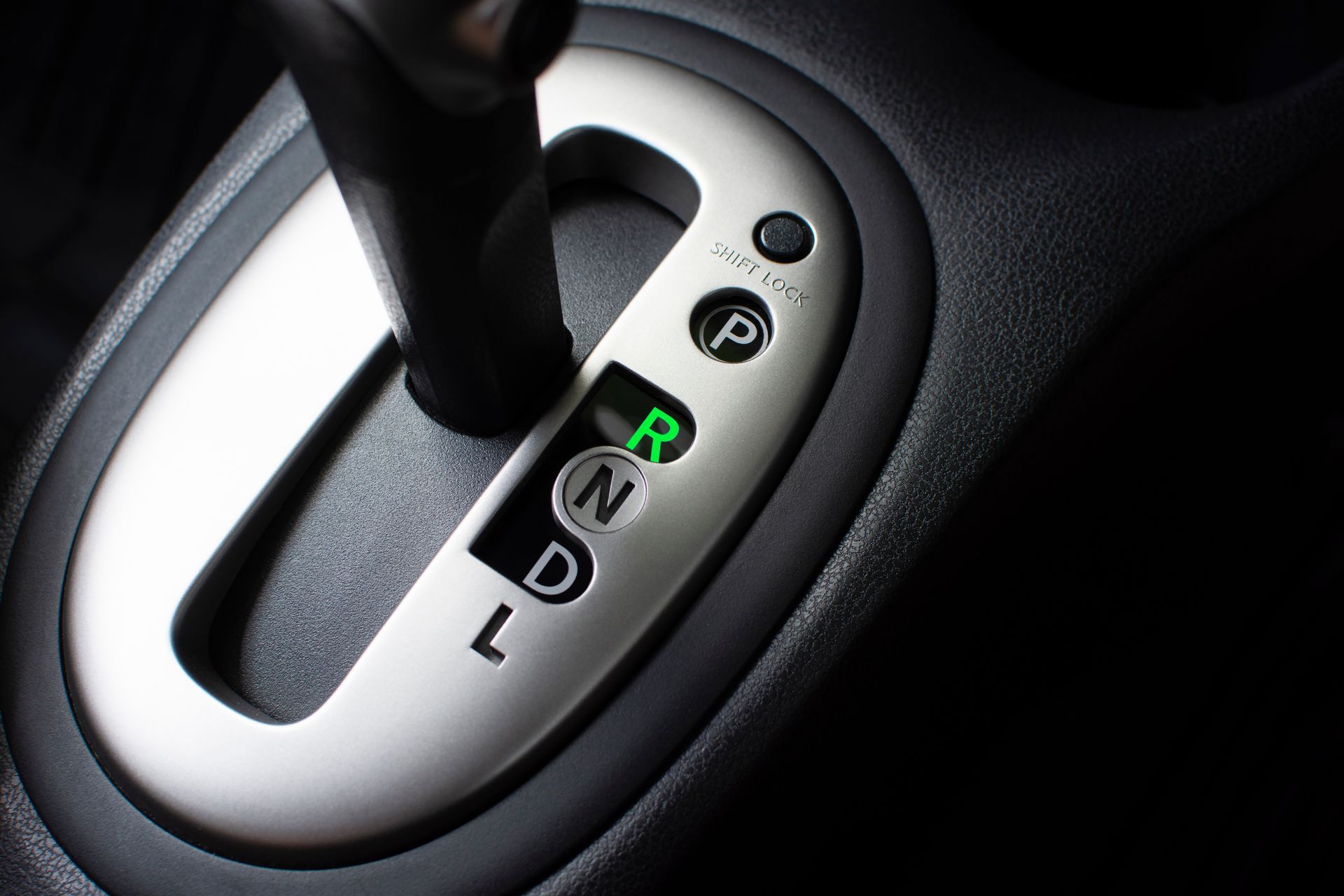
What does a transmission in a car do? A transmission transfers power from the engine to the driveshaft and rear wheels in a rear-wheel-drive vehicle. For a front-wheel-drive vehicle, the transmission transfers engine power to the axle half-shaft and front wheels. Inside a transmission are gears that change the drive-wheel speed and torque to relate to the speed and torque of the engine.
The automatic transmission is a complex design that is intended to make driving easier. An automatic transmission has a series of intricate circuitry with complicated electronic functions, all of which allow room for failures and malfunctions. Whereas a manual transmission is simpler by nature in operation. However, in today’s busy, ever-going lifestyles, the simplicity of the automatic transmission is a lifesaver.
The lifespan of an automatic transmission can vary based on various factors, primarily how the vehicle is driven. The typical life expectancy is approximately seven years or up to 200,000 miles. There are five things a car owner can do to extend the life of an automatic transmission:
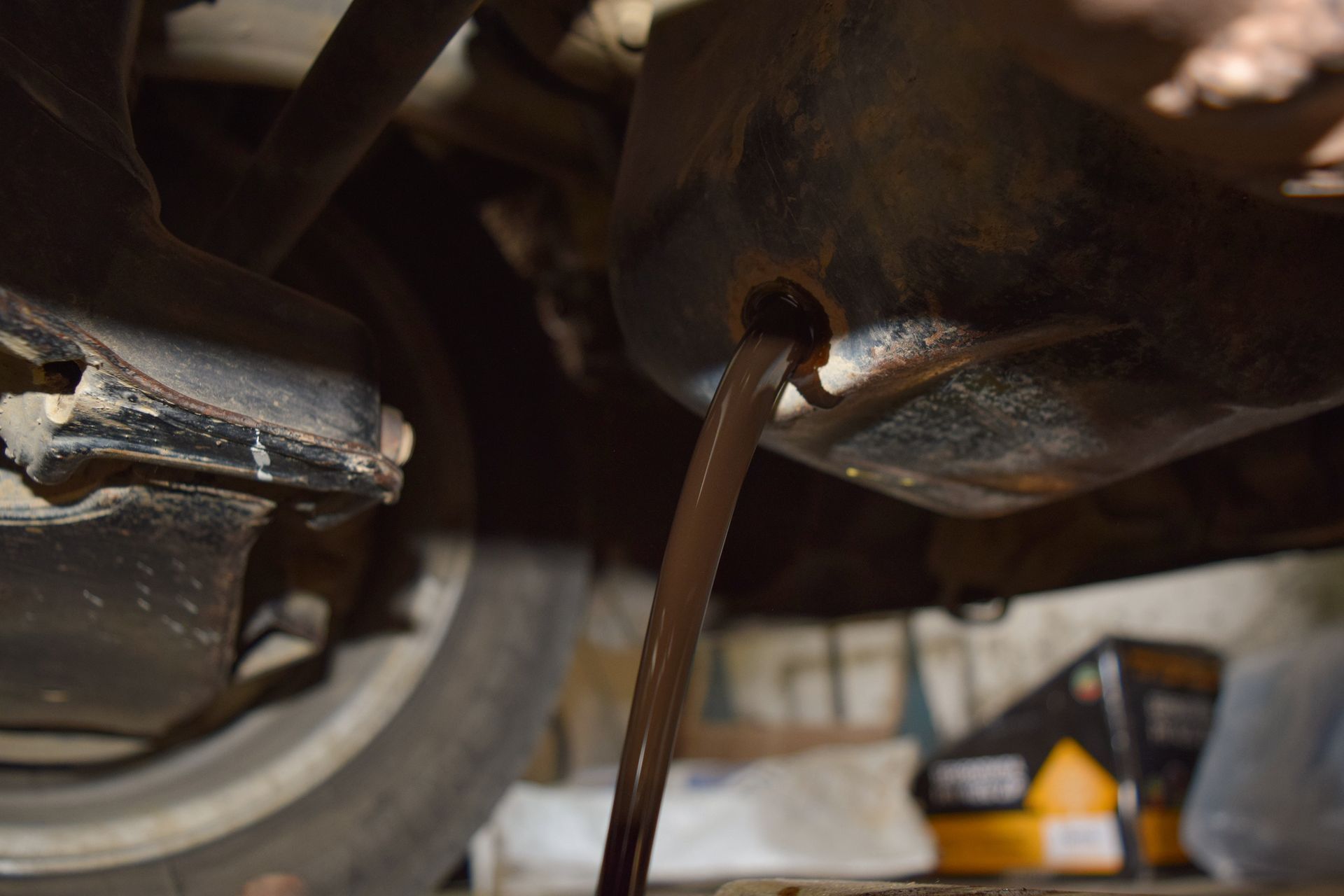
1. Have Services Regularly: Like your car’s engine, the transmission need its oil and filter changed in specific intervals as recommended by the manufacturer. Typically this is between 20,000 miles and 30,000 miles, or an average of every 18 months. A newer vehicle’s automatic transmission should have a transmission flush every 40,000 miles to 50,000 miles or average every two years.
2. Fluid Checked Regularly: The purpose of transmission fluid is to remove heat from the transmission’s internal components. When that fluid is allowed to get too low, the transmission will overheat and could damage it irreversibly. It is recommended to have your transmission fluid checked once a month.
3. Synthetic Transmission Fluid: Use the transmission fluid type as recommended by the vehicle manufacturer. However, as a car ages and is driven, the organic compounds of the transmission will eventually break as the vehicle is driven, becoming less effective. Synthetic transmission fluid is more beneficial at this point, especially if you live or drive through heavy traffic or in hills and mountains.
4. Install a Transmission Cooler: Transmissions do not like heat, over exposed to heat will cause a transmission to quit working and cause severe damage that can’t be repaired. There are coolers that fit a transmission and will lower the temperature as it operates so that it won’t wear out as quick.
5. Good Driving Practices: Be smart with your driving style and techniques based on these three things:
- Avoid aggressive driving.
- Let the engine and transmission warm up
- Don’t shift gears while the vehicle is in motion
Can a transmission go out without warning?
Not usually, there are indicators and warning signs that a driver should be aware of signaling that their vehicle’s transmission is beginning to fail. If any of those indications or warnings are exhibited and ignored, you could be causing damaged to the transmission that is not repairable, meaning you’ll need a new transmission or rebuild the existing transmission.
What are the signs that your transmission is going out?
Some warning signs that the transmission in your car needs attention are:
Weird Odors: A burning smell coming from the transmission could indicate it is overheated, which can overheat the engine. Other things that can cause a transmission to emit weird odors is something wrapped up trapped around the transmission or it has antifreeze dripping from it.
Unusual Sounds: The cars breaking down on television with a big clunk sound is one of the things that happens in real life. An unusual sound coming from the transmission usually means trouble. Those sounds could be clunks, buzzing or humming, or a whining sound.
Noisy: Excess noise could be indicating a problem like a bumping noise while in neutral. It may simply need transmission fluid, but why? This needs to be checked out by your mechanic.
Check Engine Light: Too many drivers ignore the check engine light, but the purpose of that light is to let the driver know there is a problem, and it isn’t always with the engine specifically. It could be an issue with the transmission that is affecting the engine.
Unresponsive: An unresponsive transmission will not slide into gear as it is designed to do, and that hesitation or lack of response is a strong indication that something is wrong.
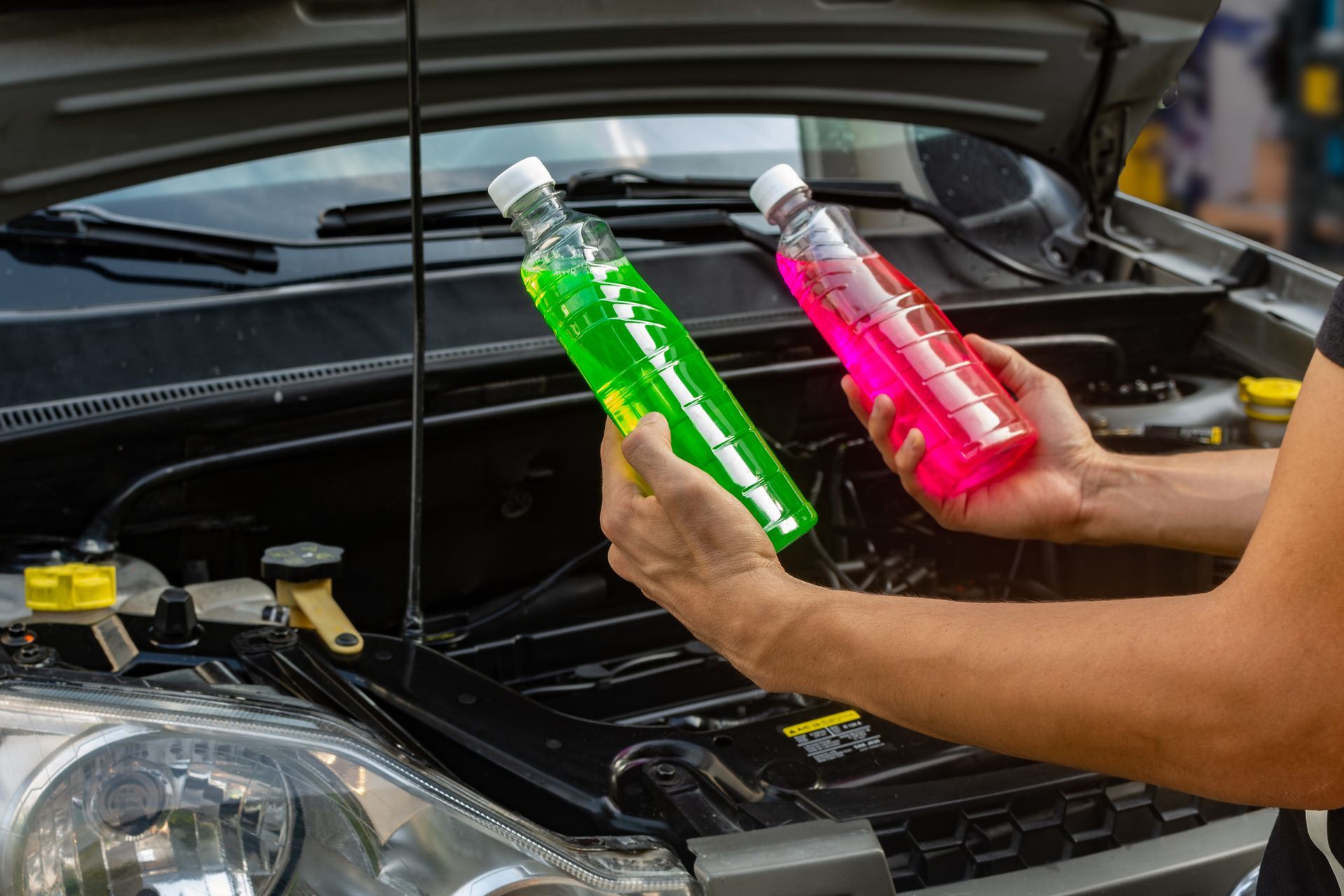
Transmission Fluid Leak: There are six main fluids in a vehicle that are for cooling, lubricating, braking, steering, and cleaning the windshield. If the levels are kept up to where the manufacturer suggest, there are parts of the car that won’t function correctly, and the transmission is one of the main ones.
Car is Shaking: When a car starts shaking as it switches gears, you need to get to your mechanic to have the matter checked out.
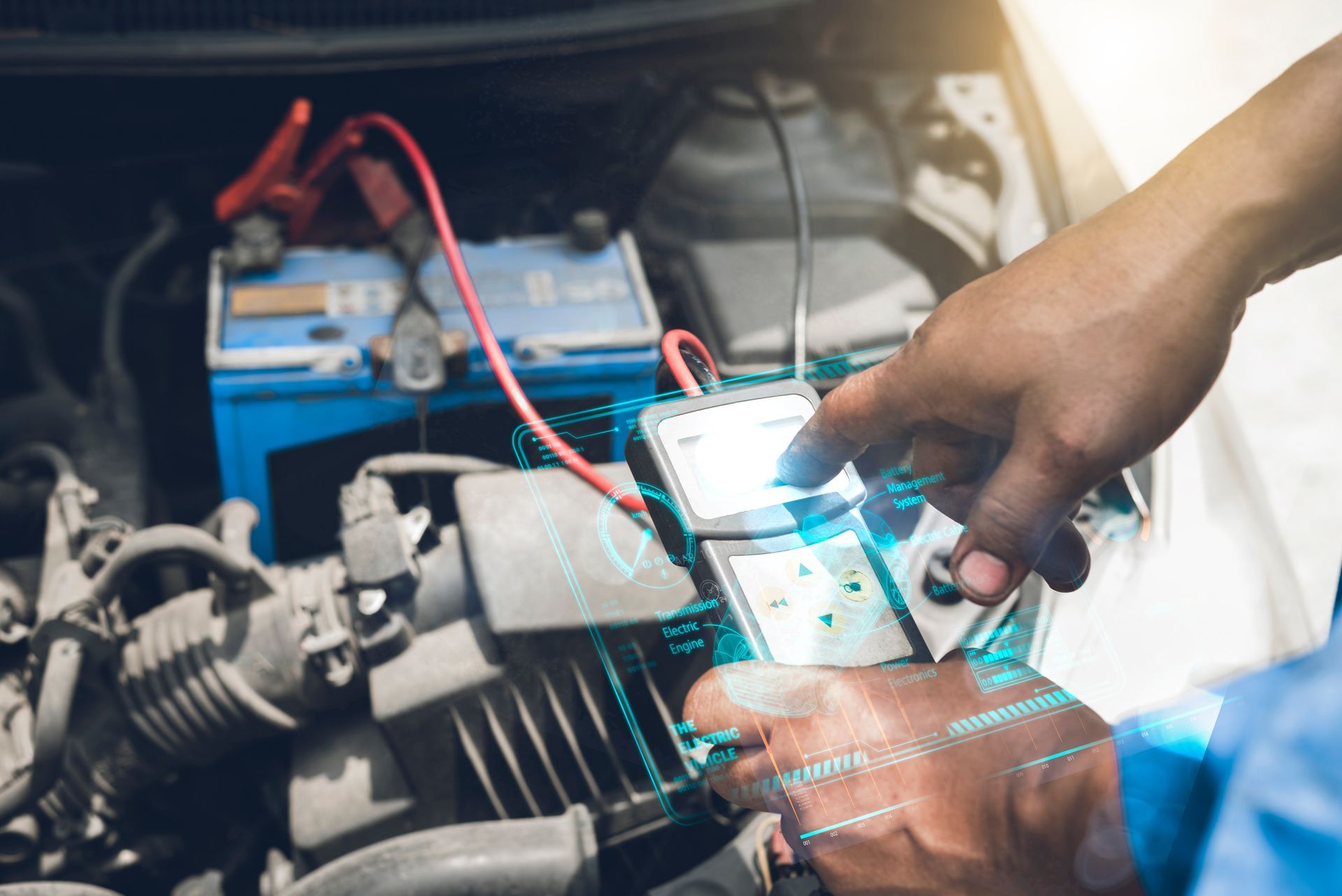
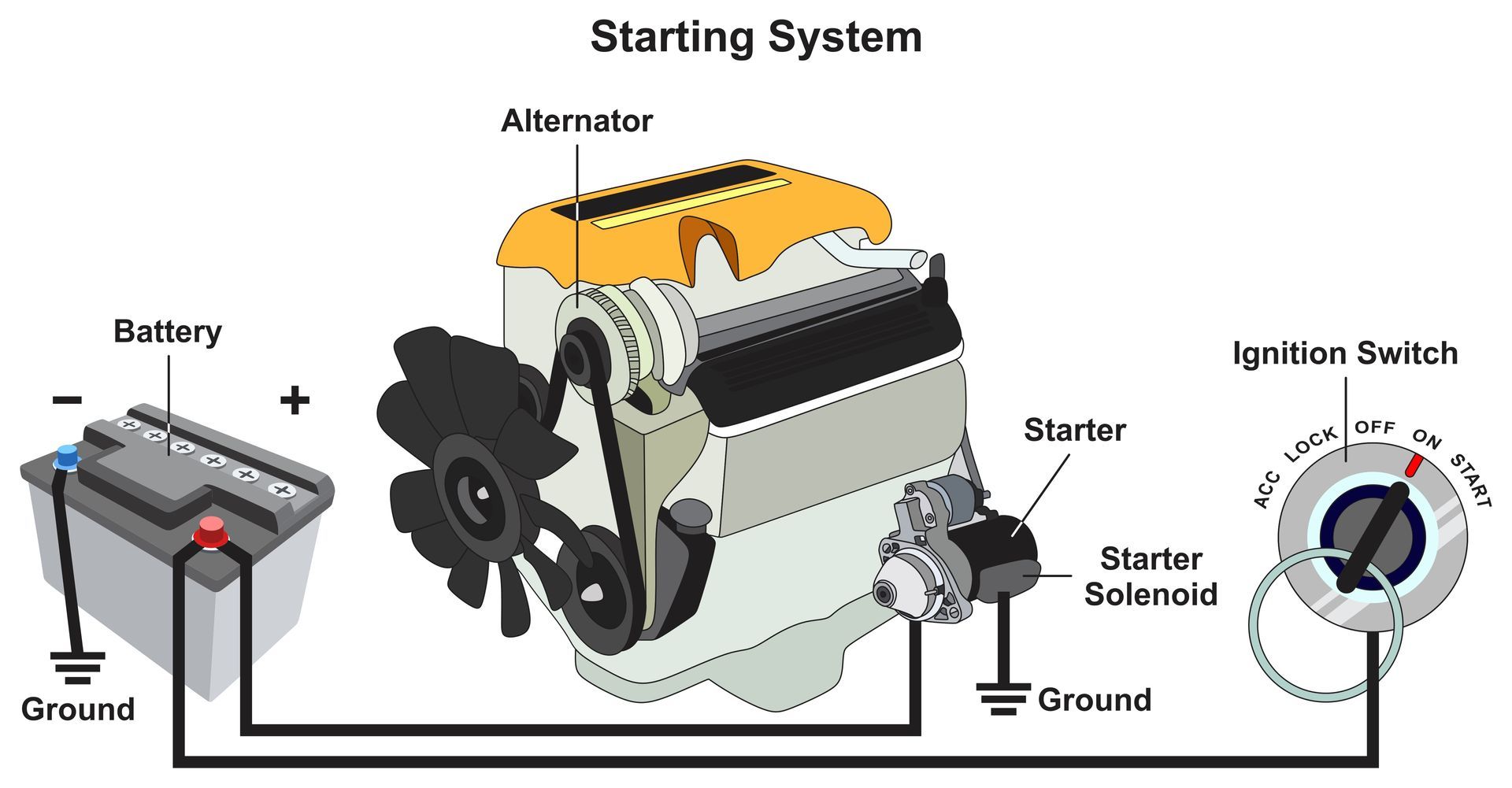
Won’t Go In Gear: If your car won’t go in gear, it is usually indication of low fluid and is usually fixed by adding fluid. If you’re having to do this frequently, you should have a mechanic check the transmission for other problems. On newer cars, it could be in the computer, which can be fixed by disconnecting the battery for 30 minutes and reconnect. This is equivalent to rebooting a computer.
Gears Slipping: When the gears of a transmission is slipping, it can often be because it is low on transmission fluid.
This can be dangerous if this happens in traffic, and it is damaging the engine and transmission.
Can you still drive with a bad transmission?
No, when a transmission has begun to have problems, the only place it should be driven to is a mechanic shop. It is only a matter of mileage and timing before a bad transmission goes completely out and leaves you stranded.
What causes a transmission to kick?
When a transmission or clutch kicks or may be referred to as jerking as it shifts, there are several potential causes, the most common one being low on transmission fluid. Adding more fluid may help the kicking and jerking, but the transmission likely needs a flush and a new screen.
The transmission of your car is as important at the engine. Keeping maintenance is needed on both to keep your car on the road efficiently and safely. Never ignore any warning signs and have all regular maintenance done as recommended by the manufacturer. Call 609-737-7226 today!